Can You Seal Coat An Old Driveway?
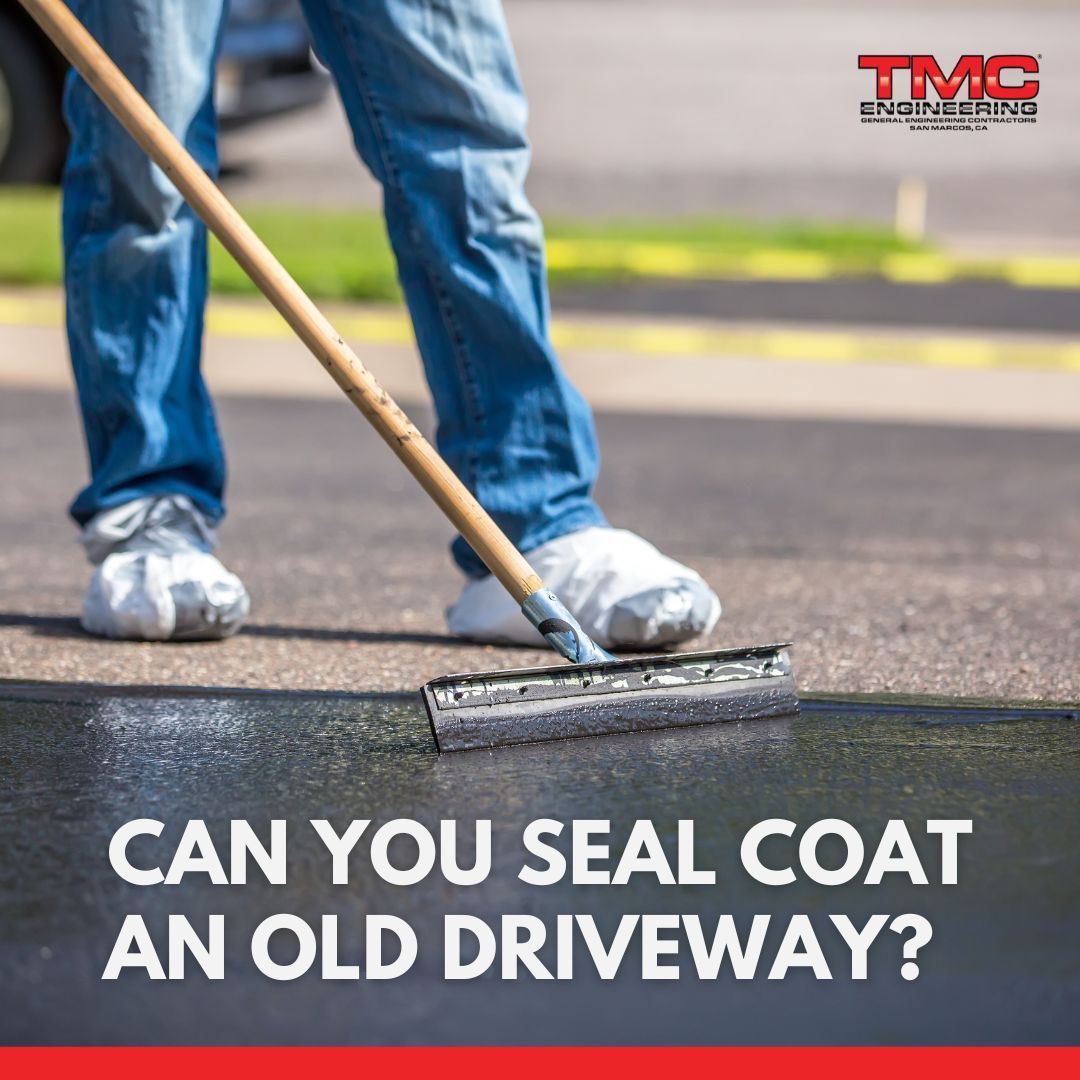
Sealcoating stands out as one of the most effective and efficient ways to safeguard your concrete and asphalt surfaces. As you may be aware, asphalt and concrete driveways require maintenance from time to time due to regular wear and tear and environmental exposure. As the driveway deteriorates, you may need an overlay or outright driveway replacement. However, sealcoating can be a viable option to restore a driveway that saves you time, money, and stress!
Sealcoating driveways adds a barrier that protects the surface from the sun, gasoline, rock salt, oil, and other surface contaminants to maintain the strength and functionality of the pavement . Of course, this also extends the lifespan of the asphalt or concrete surface!
The best time to sealcoat a driveway is during the initial construction. However, if this was not performed, the question remains: “Is it possible to sealcoat an aging driveway?” We’re going to answer this question for you today!
If you’d like a quicker or more specific answer to your questions about sealers for old driveways, call the experts at TMC Engineering! If you’re in Southern California, we can help perform whatever sealing job that is necessary. We’ve got an expert solution and expert contractors that can handle any concrete concerns!
Can You Seal Coat An Old Driveway?
The short answer is yes! You can seal coat a driveway even if it has deteriorated significantly over its use. Sealcoating will improve the quality, strength, and lifespan of your aging driveway. However, it’ll just slightly prolong the inevitable since the concrete or asphalt underneath has already been compromised. We recommend replacement, but sealcoating can be a cost-effective alternative!
When sealcoating older driveways, there are a few factors that you need to consider Primary concerns include thorough preparation of any worn or cracked areas before applying fresh sealer. Product selection is also important because not every sealer will bond to aged asphalt or concrete. With the right preparation techniques and materials tailored for the application, sealcoating can successfully renew the quality of your aging surface!
We will now explore best practices for surface preparation when resealing old asphalt and concrete driveways:
Sealing Old Asphalt Driveways
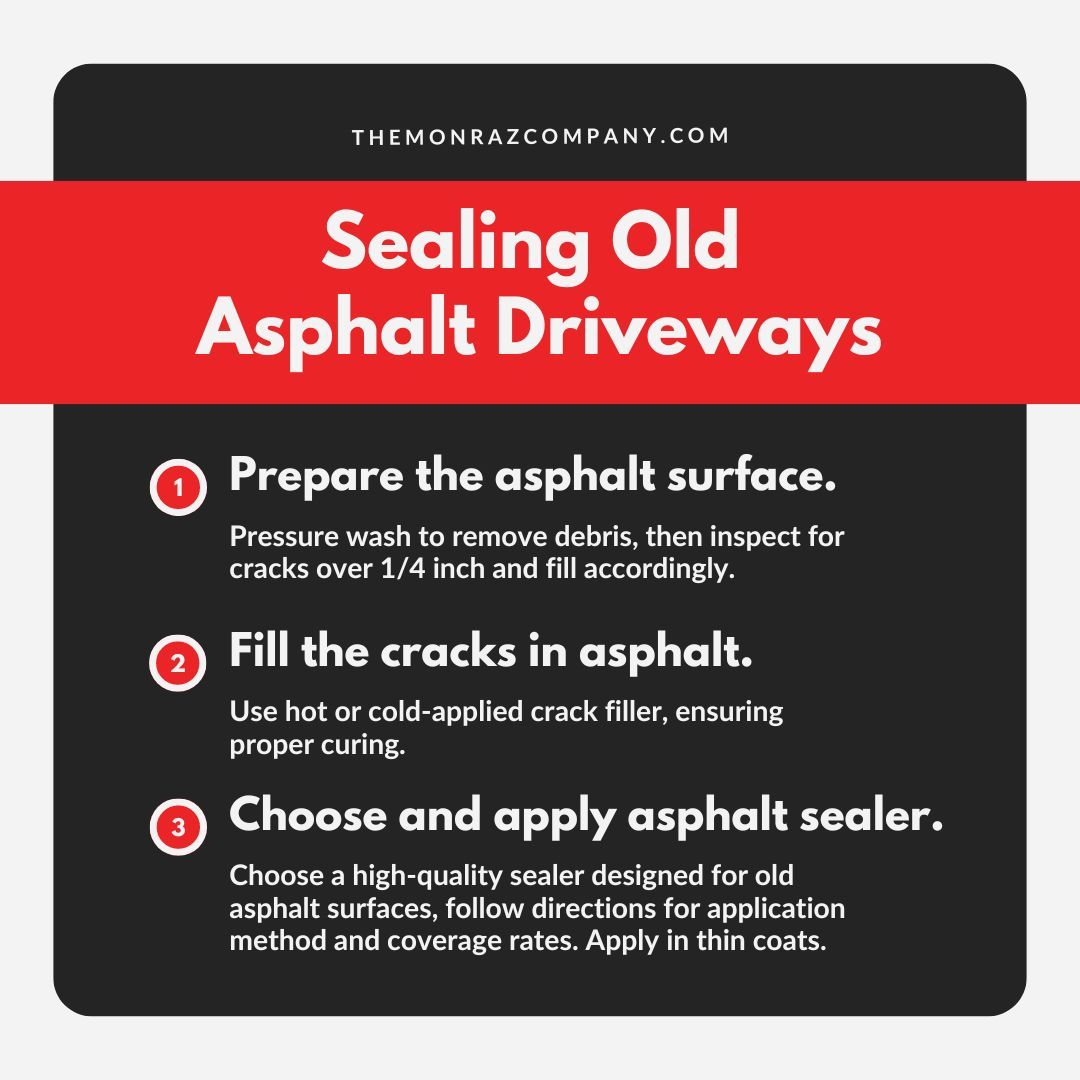
Asphalt breaks down over the years with oxidation, weathering, and traffic use. For an asphalt driveway in good condition, sealcoating can restore the functionality and longevity of your pavement. Here are the series of steps to follow in sealing old asphalt driveways.
Step 1: Prepare the asphalt surface.
While addressing asphalt driveways, proper surface preparation is essential. Use a pressure washer set to less than 1500 PSI to remove dirt, debris, and contaminants. Allow full drying before proceeding. Afterwards, inspect for cracks over 1/4 inch and fill according to manufacturer instructions.
Step 2: Fill the cracks in asphalt.
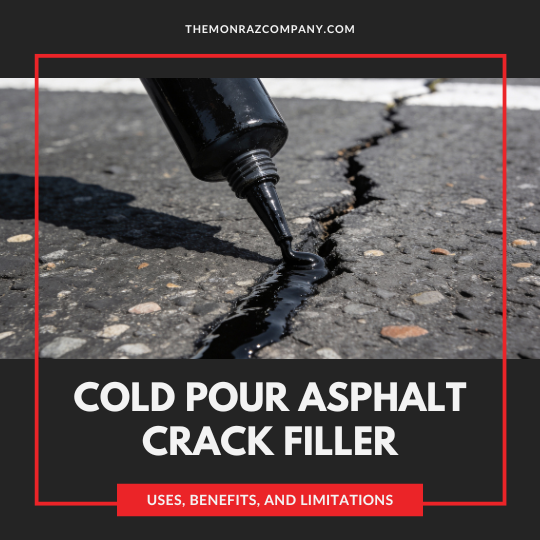
Next you fill the cracks in your asphalt driveway with hot or cold-applied crack filler . Apply when the filler reaches the ideal working temperature and cure according to directions, which is usually within 24 hours. Ensure cracks are filled to the required level or slightly below the surrounding surface.
Step 3: Choose and apply asphalt sealer.
Select a high-quality sealer (preferably solvent-based or water-based sealers) which is designed for sealing old asphalt surfaces. Always follow the sealer product directions specific to asphalt driveways regarding coverage rates, conditions, and application methods such as rolling, brushing, or spraying. Apply the sealer in thin coats up to 200-400 square feet per gallon.
Allow full drying before driving on, and reapply for heavily-used driveways. You can read our post on how long to wait before driving after sealing a driveway to know just when it’s best to have cars on your newly sealed surface.
Sealing Old Concrete Driveways
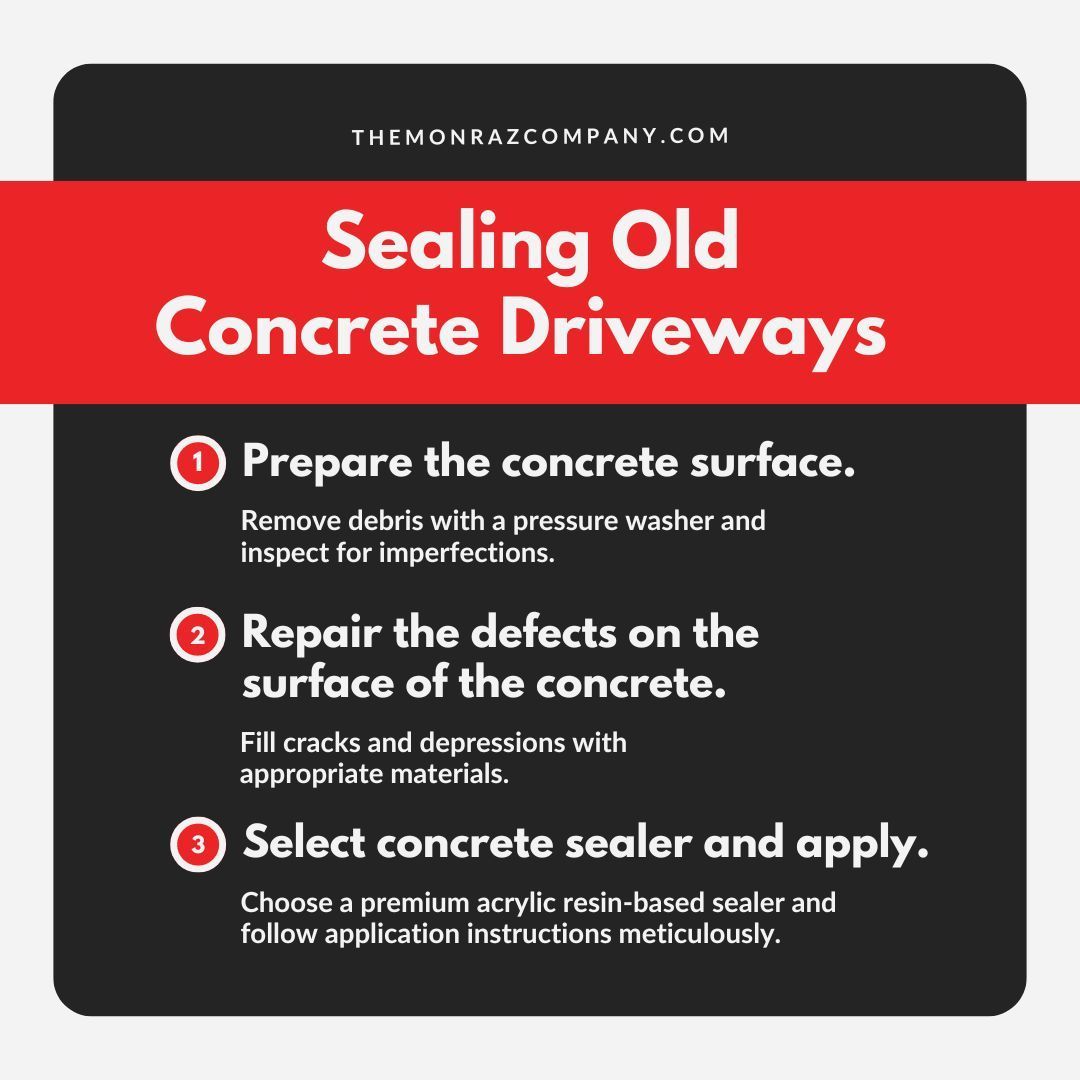
Concrete driveways are known for their durability and longevity despite environmental exposure and heavy use. Even with its strength, it can still definitely benefit from resealing , especially if cracks have formed on the surface . Here are the series of steps to follow in sealing old concrete driveways.
Step 1: Prepare the concrete surface.
Like asphalt driveways, preparation is key when addressing concrete surfaces! Preparation begins by removing all the dirt and debris from the surface of the concrete with a pressure washer. Complete drying must be ensured before inspection can begin. During inspection, look out for cracks, depression and other problem areas as they might hamper the desired result.
Step 2: Repair the defects on the surface of the concrete.
Next, you need to repair the defects in your concrete driveway to achieve a smooth, level surface. Apply epoxies or polyurethanes for patching depressions.
Step 3: Select concrete sealer and apply.
Choose a premium acrylic resin-based concrete sealer reinforced with silicones additives to seal your concrete driveway. Strictly follow all label directions for proper application. Much like with asphalt driveway sealers, you need to allow full drying before driving on, and reapply for heavily-used drives.
For more guidance on sealers for old concrete driveways and other concrete surfaces, check our post on best sealers for concrete.
NOTE: For large, failing, or complex driveways, experts have tools and skills for surface prep, filling cracks, and uniform application that ensures the new sealed coat lasts for years. They provide the best results through proper maintenance of your investment. At TMC Engineering, we have the expertise to sealcoat your old driveway or parking lot . Our professionals apply high-quality sealers using expert techniques so your pavement endures many additional years of use! Contact us to discuss solutions for your property!
Extend the life of your old asphalt and concrete driveways with sealcoating!
Though sealing a concrete or asphalt driveway won’t prolong its use forever, it can definitely lengthen its use when done correctly! Just ensure you properly prepare the surface and you choose the right sealer. For the best results, hire a professional!
Our team of experienced paving professionals at TMC Engineering provides a wide range of transportation construction services to meet all of your project needs. Whether you need asphalt paving, striping, sealing, or concrete work completed, we have the expertise and equipment to handle the job efficiently and cost-effectively. By combining extensive industry knowledge with high-quality materials and workmanship, we can deliver durable, long-lasting results!
Contact us today to discuss your requirements and receive a customized proposal. We aim to forge strong partnerships through collaboration on quality-focused solutions!