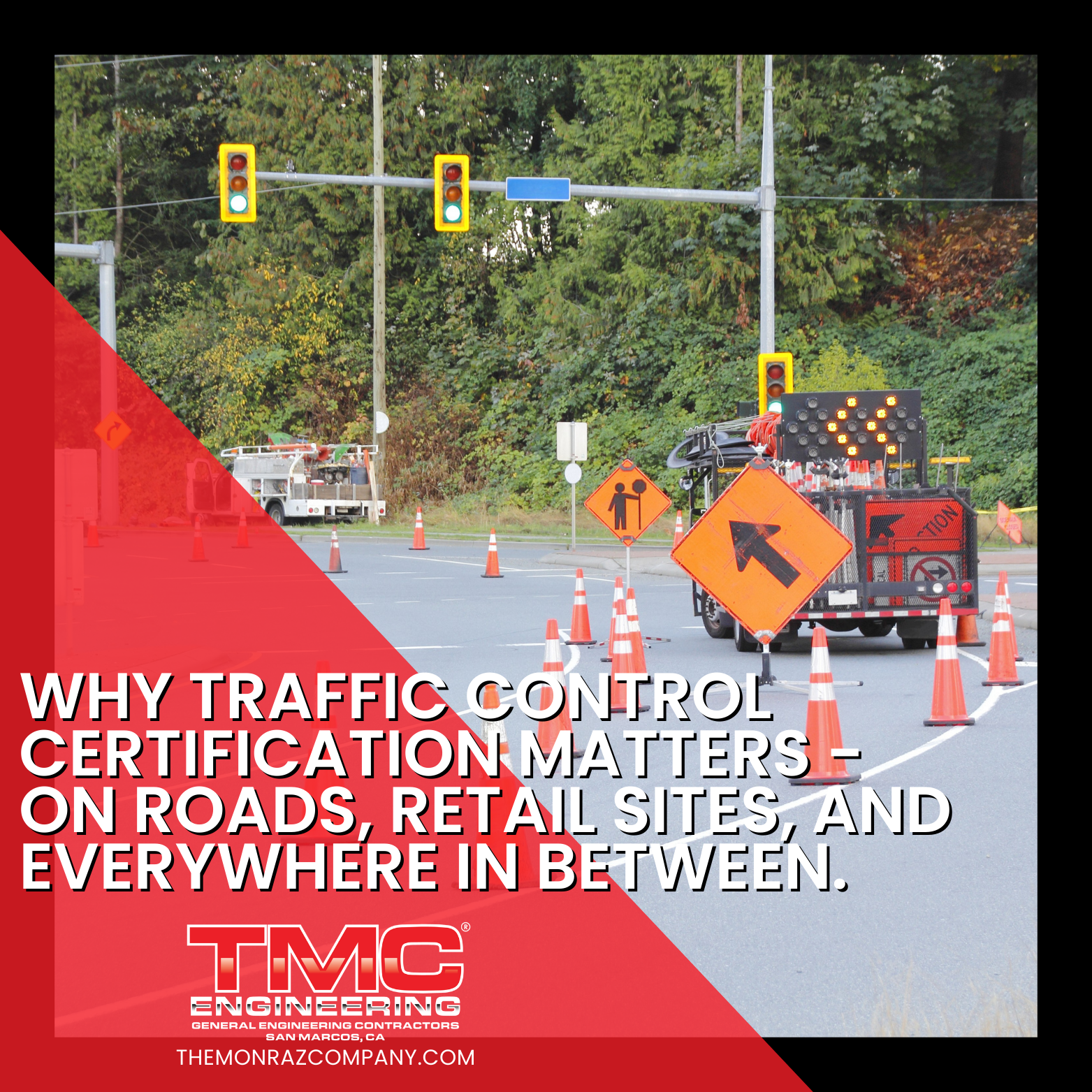
Why Traffic Control Certification Matters — On Roads, Retail Sites, and Everywhere in Between
When most people think about traffic control, they picture road construction on busy streets or highways. While public roadways are a major part of traffic management, they’re far from the only places where professional traffic control is essential. Shopping centers, retail plazas, warehouses, and private commercial properties all depend on safe, well-managed traffic flow—and that’s where traffic control certification truly matters.
What Is Traffic Control Certification?
Traffic control certification is formal training that ensures workers understand how to safely manage the movement of vehicles and pedestrians around active work zones. Certified traffic control professionals are trained in:
- Proper placement of signage, cones, and barriers
- Clear communication techniques and standardized hand signals
- Safely directing vehicle and pedestrian traffic
- Identifying potential hazards and responding to changing conditions
- Maintaining compliance with applicable safety regulations and standards
Certification confirms that a crew has both the knowledge and hands-on experience needed to manage traffic safely, efficiently, and professionally.

Why Certification Matters When Hiring a Traffic Control Company
Hiring a traffic control company with certified personnel isn’t just about meeting requirements—it’s about protecting people, property, and your business.
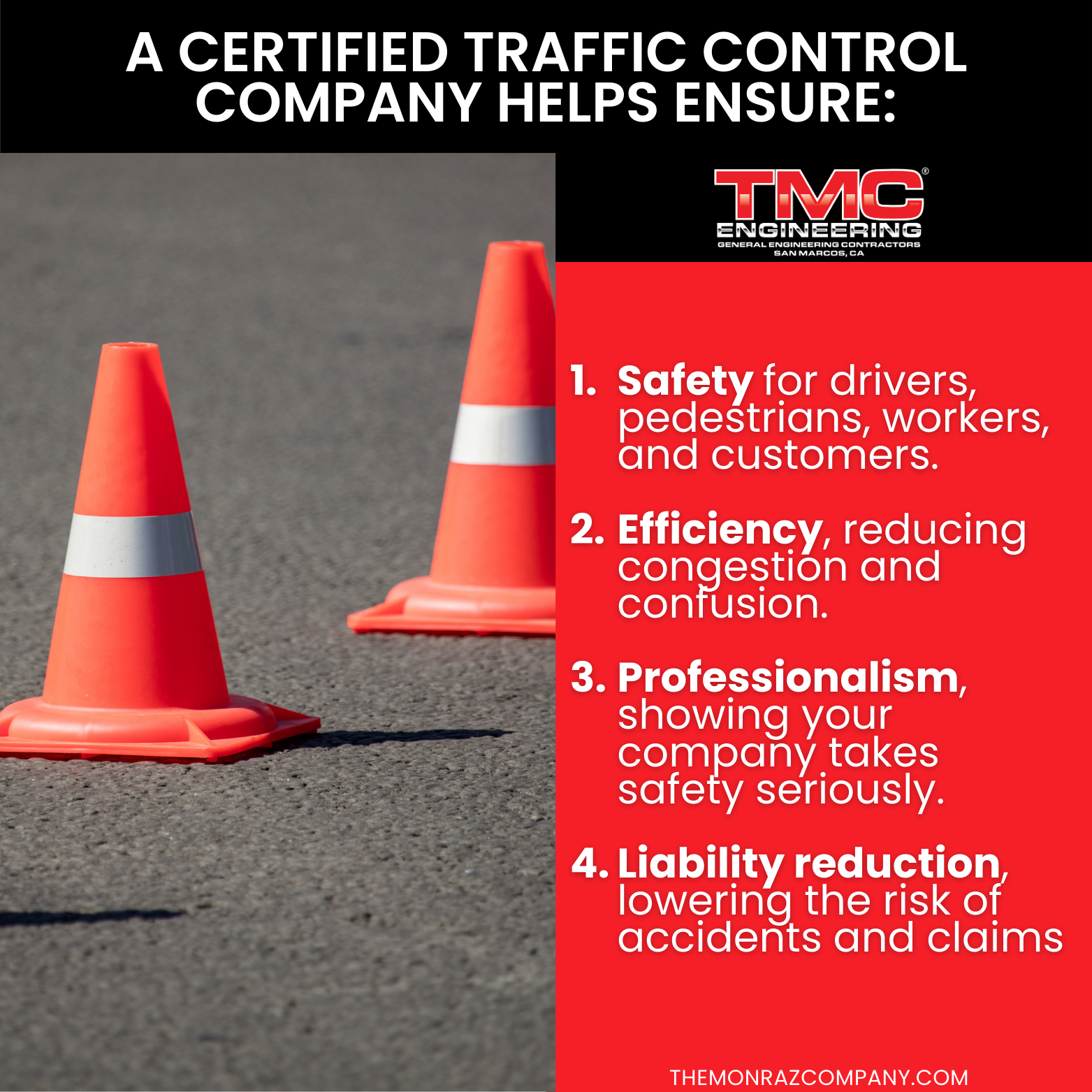
A certified traffic control provider helps ensure:
- Safety for drivers, pedestrians, workers, and customers
- Efficiency, reducing congestion, delays, and confusion
- Professionalism, demonstrating a serious commitment to safety
- Reduced liability, minimizing the risk of accidents, injuries, and claims
Untrained or uncertified personnel may not recognize risks or know how to respond when traffic patterns change, increasing the likelihood of accidents or costly disruptions.

Traffic Control Isn’t Limited to Public Roads
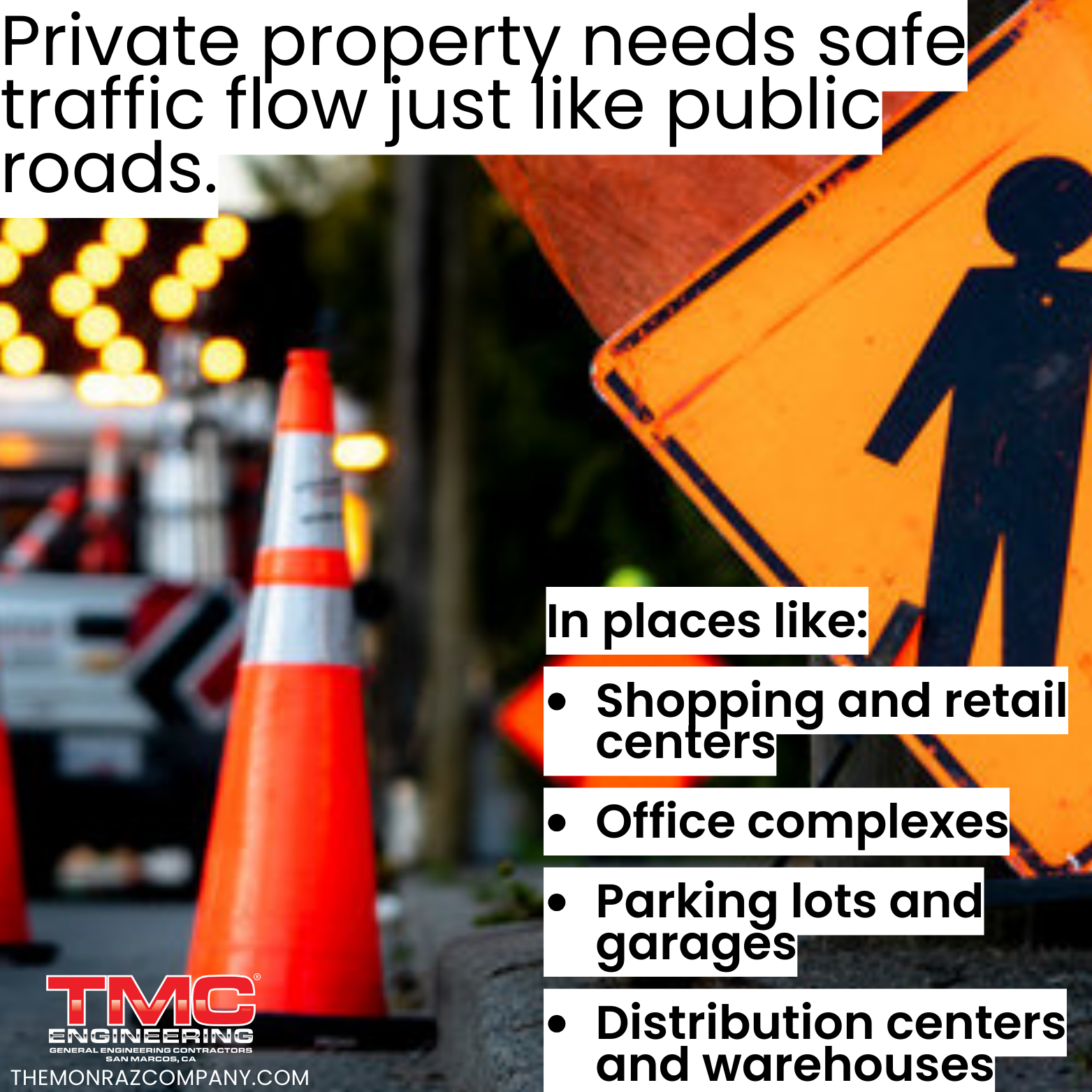
Traffic control is just as important on private property as it is on public streets. In environments such as:
- Shopping and retail centers
- Office complexes
- Parking lots and garages
- Distribution centers and warehouses
Traffic can become congested quickly—especially during peak hours, deliveries, special events, or construction activities. Certified traffic control crews are trained to manage these high-activity areas, ensuring vehicles move efficiently while pedestrians remain protected.

Retail and Shopping Centers: A High-Risk Environment
Retail and shopping centers present unique challenges, including:
- High volumes of pedestrian traffic
- Vehicles entering and exiting from multiple access points
- Delivery trucks, rideshares, and emergency access requirements
Without proper traffic control, these environments can quickly become unsafe. Certified traffic control professionals know how to balance vehicle flow with pedestrian safety, prevent bottlenecks, and maintain clear access for customers, tenants, and staff.
Confidence That the Crew Can Handle the Job
Traffic control certification gives property owners, contractors, and project managers confidence that the crew on-site is prepared to handle real-world conditions. From sudden traffic surges to unexpected hazards, certified professionals are trained to respond quickly, calmly, and correctly.

Traffic control certification isn’t just a checkbox—it’s a critical investment in safety, efficiency, and professionalism. Whether work is taking place on a public roadway or within a busy commercial property, hiring a certified traffic control company ensures traffic is managed properly and risks are minimized.
When choosing a traffic control provider, certification shouldn’t be optional—it should be a requirement.
By prioritizing certified traffic control professionals, projects can maintain safe, efficient traffic flow while reducing risks to drivers, pedestrians, and workers. Proper training ensures crews are prepared to adapt to changing conditions, manage complex environments, and uphold safety standards across both public roads and private properties. When traffic patterns become complex or high-traffic areas demand extra attention, working with experienced, certified traffic control providers helps protect people, property, and the overall success of the project.