Commercial Pavement Resurfacing in San Diego: All You Need to Know
Commercial parking lots and pavements see significantly more wear and tear than residential driveways due to their large size and non-stop activity. Overseeing maintenance for extensive commercial asphalt structures can prove challenging. However, with proper care like routine resurfacing, commercial properties can ensure parking infrastructure withstands heavy traffic loads and stays functional for many years!
Unaddressed pavement issues like cracks and potholes multiply quickly under constant vehicle and environmental stress. This accelerated damage compromises asphalt’s structural integrity if not addressed. By resurfacing commercial parking areas regularly, facilities can rejuvenate aged asphalt and maintain the safe, smooth operation of their lots for both employees and customers alike.
Here in San Diego, resurfacing is an especially important solution given our climate. Wide ranges in temperature and periodic heavy rains take a toll on pavement. Resurfacing renews the protective barrier commercial asphalt relies on to endure these conditions unscathed.
With this in mind, today’s post will focus on commercial pavement resurfacing and its ability to optimize the longevity and functionality of large commercial parking lots. We’ll explore the ins and outs of this maintenance process so property owners can make well-informed decisions strengthening their pavement investment. Let’s get started!
If you’d like a quicker or more specific answer to your concrete repair questions, call the experts at TMC Engineering! If you’re in Southern California, we can help educate you on your problem and perform whatever repair is necessary. We’ve got an expert solution for your concrete or asphalt concern!
Commercial Pavement Resurfacing in San Diego
This post will serve as a comprehensive and informative resource on commercial pavement resurfacing. You will gain crucial insights into what is involved in the resurfacing process itself and the tangible advantages it delivers. Resurfacing restores a seamless, durable driving and parking surface across large commercial lots. By applying a fresh layer of asphalt, it seals any existing cracks or fissures that allow water infiltration and weaken the structural integrity over time.
Left unaddressed, such issues can spread and accelerate damage to the pavement from weather and traffic loads. Resurfacing also reinforces the asphalt base to prolong its useful lifespan before needing full reconstruction. You will also learn the best practices local contractors adhere to for successful resurfacing projects from start to finish!
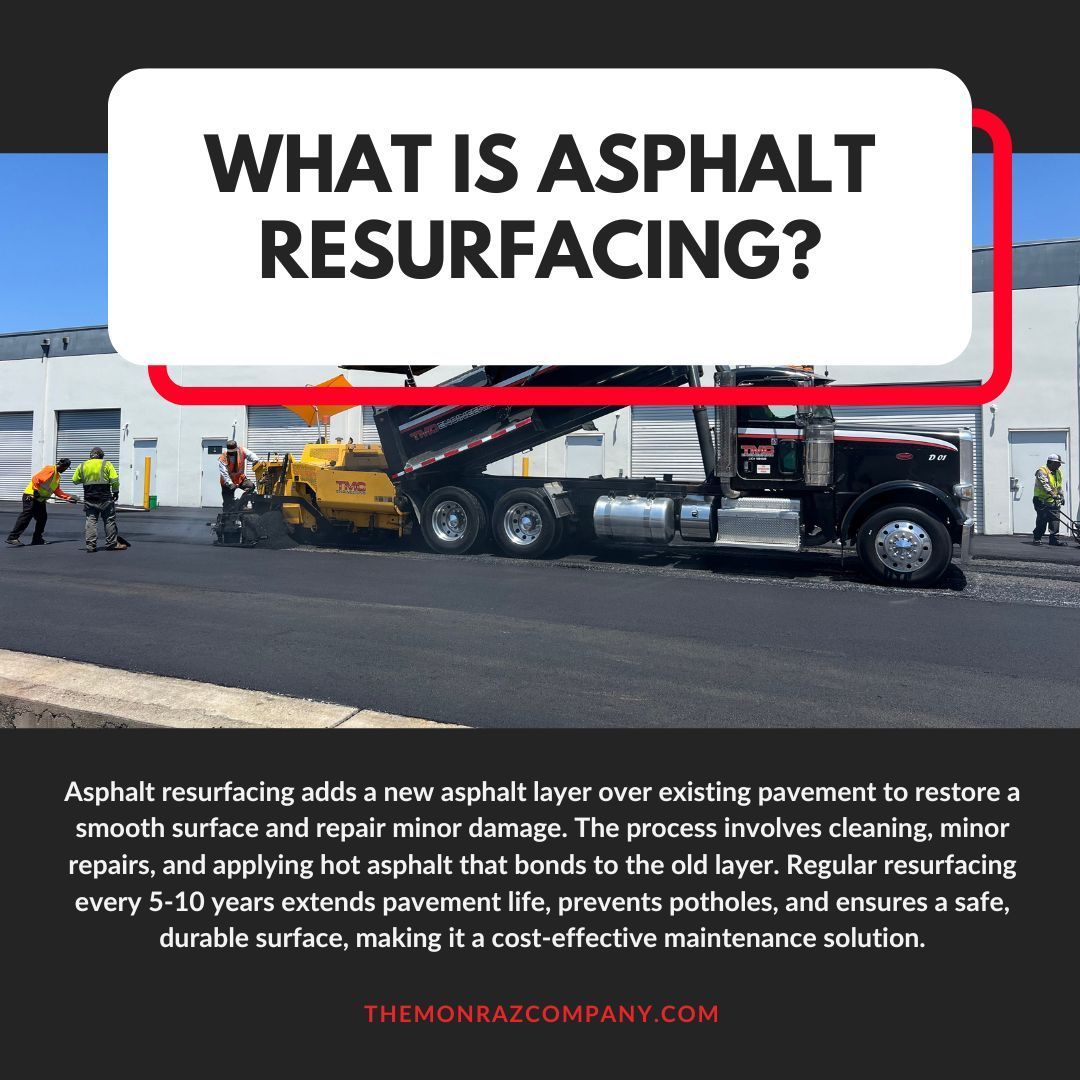
What is Asphalt Resurfacing?
Asphalt resurfacing is the process of applying a fresh layer of asphalt pavement over an existing asphalt surface. It restores an even, uniform top layer for driving and parking areas. Asphalt pavement undergoes natural wear from weathering factors like heat, rainfall, and sun exposure combined with heavy traffic loads over the years. Residual cracks and minor surface flaws are sealed through resurfacing before they can propagate further damage.
Resurfacing works by first preparing the surface through cleaning and minor repairs. Then, an asphalt paving machine evenly deposits hot asphalt mix , followed by comprehensive compaction into the underlayer. This bonds and merges with the original pavement. For commercial areas, the final wearing course provides an extra durable layer optimized for non-stop vehicle movement and parking essential to business operations.
Regular resurfacing every 5-10 years securely locks in the asphalt foundation and waterproofs it from below. Resealing protects infrastructure longevity for an additional decade or more before full replacement may be needed. It also results in a safer, smoother lot less prone to pothole and bump formation that can hazard drivers and pedestrians alike. Overall, resurfacing is a cost-effective preventative maintenance tactic versus frequent repairs as cracks emerge!
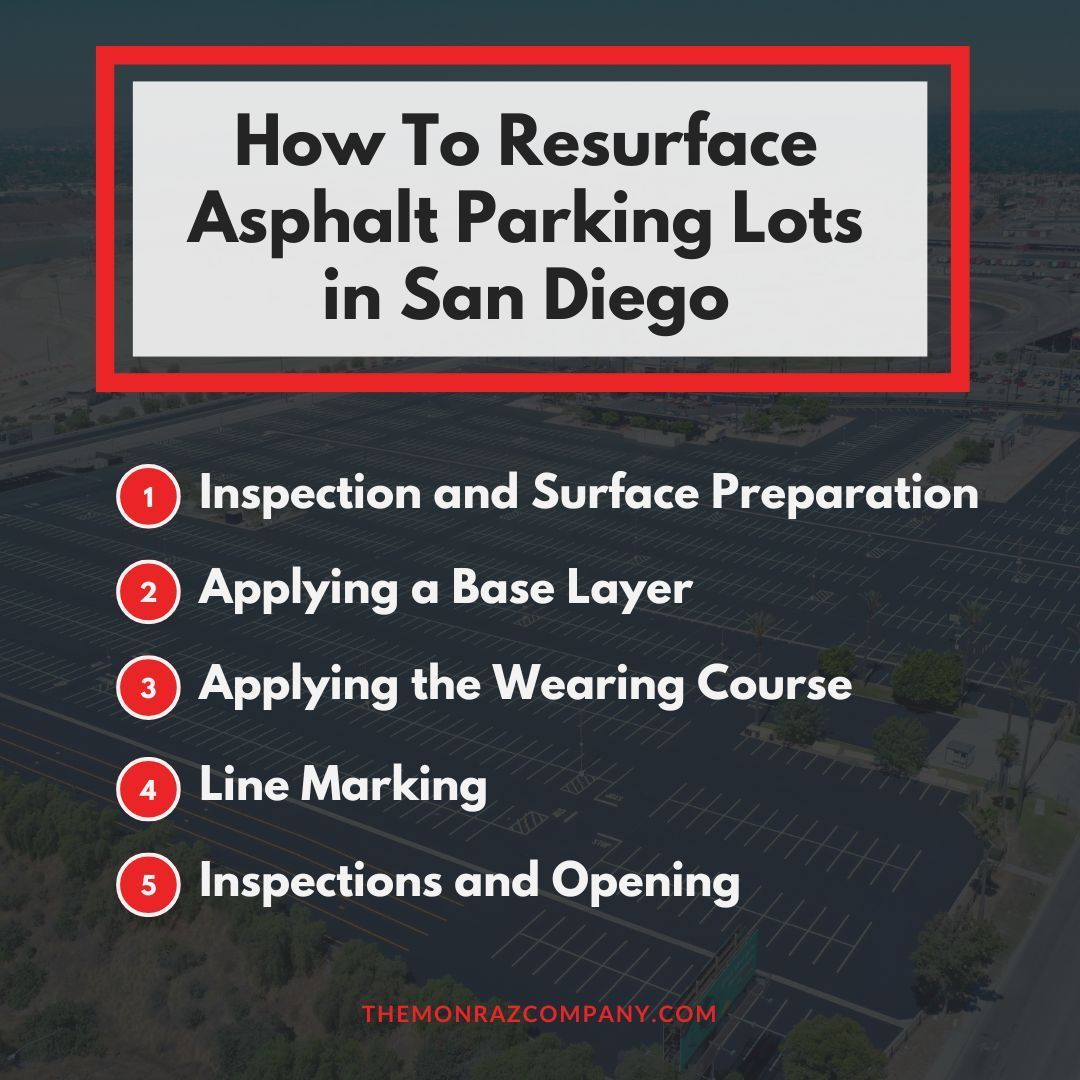
How to Resurface Asphalt Parking Lots in San Diego
Step 1: Inspection and Surface Preparation
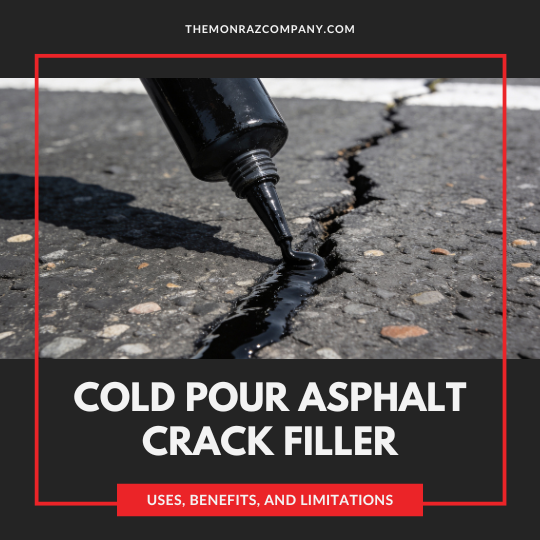
A thorough inspection finds any necessary repairs before resurfacing. Potholes and major cracks are cut out and repaired. The surface is then cleaned and tack-coated to promote bonding of the new asphalt layer.
Step 2: Applying a Base Layer
A base layer of new hot asphalt mix is applied and graded uniformly with a paver. It is compacted with rollers to achieve the proper density.
Step 3: Applying the Wearing Course
The final wearing course layer provides the driving surface. It is a finer-graded mix optimized for durability under traffic. Another compaction follows to form a durable, smooth finish.
Step 4: Line Marking
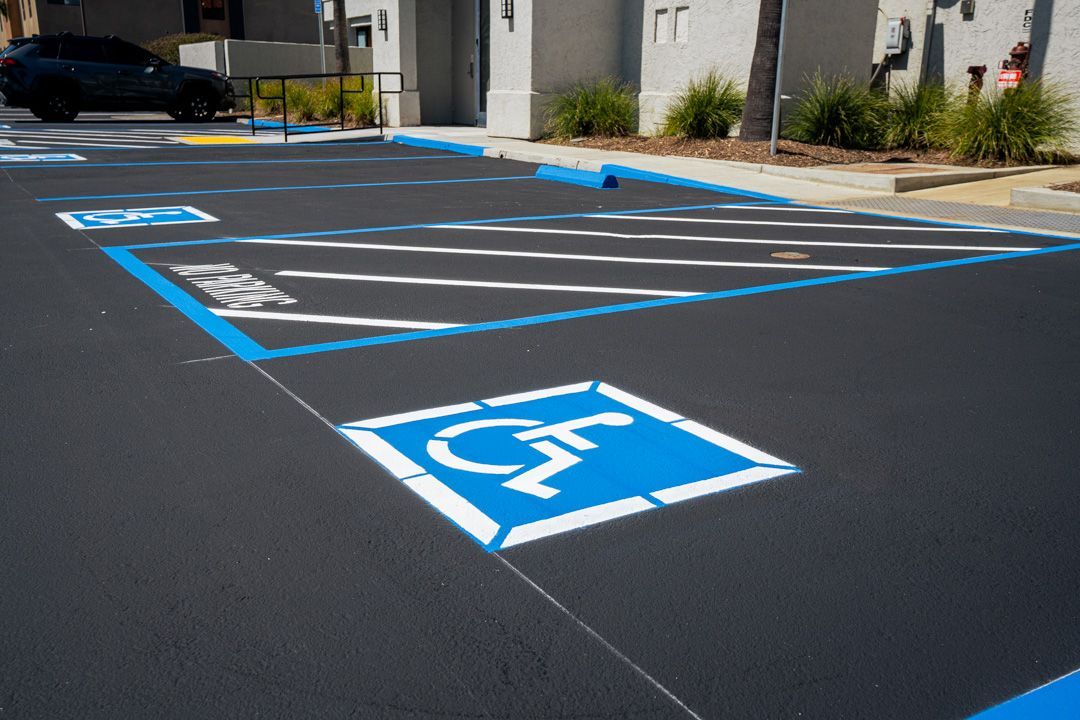
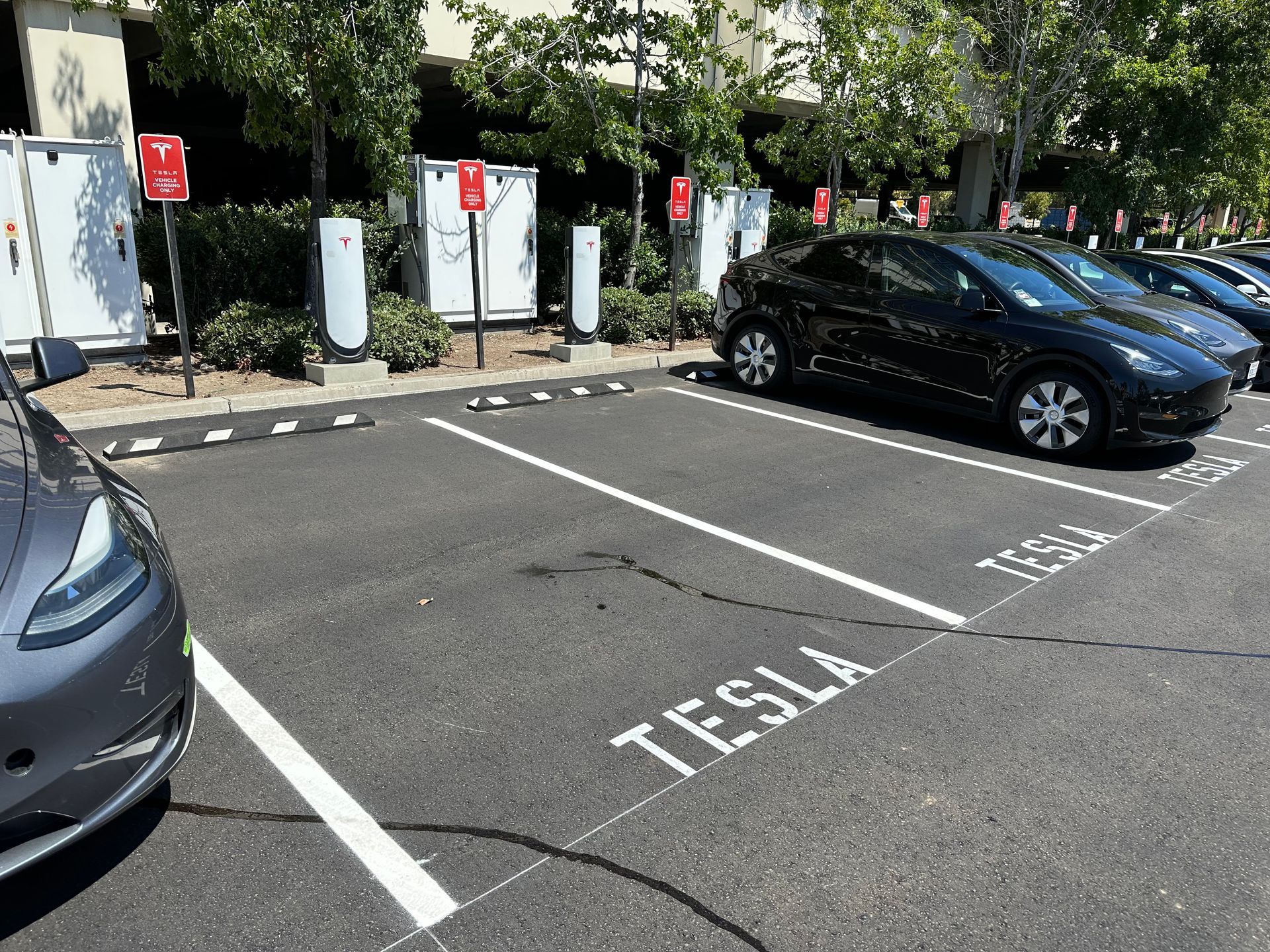
New parking lines and traffic markings are added after the new asphalt has fully cured. This guides smooth traffic flow; check our post on how to remove parking lot paint for tips.
Step 5: Inspections and Opening
The parking lot receives a final inspection before opening. Any minor adjustments are made. With proper maintenance, the new commercial asphalt surface should last 7-10 years before needing resurfacing again.
With these expert handling steps, your commercial asphalt parking lots will operate smoothly for many active years to come.
Commercial pavement resurfacing is a cost-effective solution for asphalt pavement repairs.
Commercial Pavement Resurfacing in San Diego is a worthwhile investment that provides return through a safer, better functioning commercial property. The asphalt resurfacing process restores your parking lots and gives you years of use when done by experienced paving contractors. Contact us today for a free estimate on resurfacing your commercial asphalt. Our high-quality services include crack filling, seal coating, and more to maintain your pavement!
For more information on how to deal with other issues on concrete, you can visit our blog. We have plenty of guides on numerous concrete issues, such as concrete parking lot repair, how to remove tar from concrete, how to remove parking lot paint, and so on.
At TMC Engineering, we have a deep commitment to delivering projects characterized by the highest standards for safety, workmanship, and client satisfaction. We aim to provide you with valuable content and insights related to the services our team of experts provides! Whether you require asphalt paving, striping, sealing, or concrete work, we offer a full suite of transportation construction solutions. Look no further we’ve got all you need and more!