California Construction Code: Practices and Policies
Construction codes serve as the foundation for safe, reliable commercial buildings. They establish guidelines for everything from structural strength to fire protection, ensuring all commercial properties can operate safely and securely. Additionally, abiding by these standards ensures that each building is durable and resistant to external conditions.
While construction codes exist nationwide, each state adopts its own version tailored to local conditions and regulations. In Southern California, these codes must account for regional climate considerations, possible seismic activity, and site-specific safety concerns. As a result, commercial projects are subject to stricter, more comprehensive requirements.
In today’s post, we will explore how the California Building Standards Code affects commercial construction. Moreover, we will also take a closer look at key elements of these codes and what industry professionals can expect.
At
TMC Engineering, we pride ourselves on our thorough and extensive knowledge of California Building Codes. If you have further questions, contact our team of experts today! We are here to assist, educate, and provide comprehensive support for any of your commercial construction needs.
California Construction Code: What to Expect
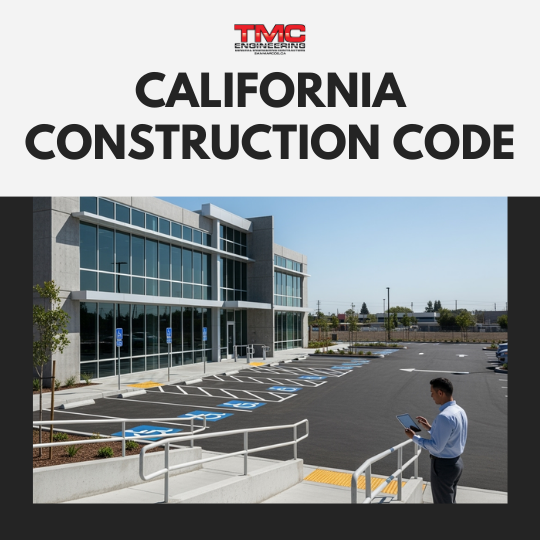
In this post, we will explain what a construction code is and what it is used for. Additionally, we will look at the key elements of California’s building standards for commercial construction projects. We will also assess how these regulations can impact new construction.
This comprehensive guide is designed to educate industry professionals about the code requirements affecting asphalt, concrete, and surface-level construction. Whether you are planning a
parking lot repair or a complete site improvement, you’ll find all the necessary information for a smooth and successful project.
What Is Construction Code?
Construction codes are a detailed set of rules on how buildings and structures must be designed, constructed, and maintained. They establish minimum safety standards, structural requirements, and installation procedures that protect both construction workers and future occupants.
Additionally, these codes regulate essential construction elements, from foundation depth requirements and approved surface materials. The purpose is to ensure that each project is built to withstand local environmental conditions while maintaining public safety.
The codes adopted by each state typically build on nationally recognized model code standards. Afterwards, they implement regional modifications that address specific local concerns, such as earthquake resistance, wildfire prevention, or flood management.
For commercial property owners, these standards determine which materials you can use, how deep foundations must extend, and what surface treatments are acceptable. More importantly, they shape countless other specifications that directly influence your project’s scope, timeline, and cost.
What Are the Key Elements of the California Building Standards Code?
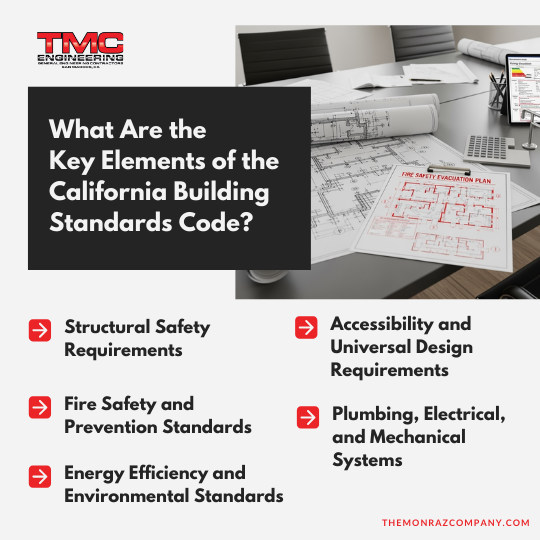
California Building Standards Code (Title 24, CCR) consists of several interrelated parts that collectively govern the safety, functionality, and structural integrity of commercial buildings. These aspects allow business owners and property managers to better plan projects and comply with regulations throughout the construction process.
Key elements of the California Building Standards Code include:
Structural Safety Requirements
California’s structural safety requirements are primarily addressed in the California Building Code (Title 24, Part 2). These standards establish minimum safety demands necessary for commercial properties, including foundation specifications, reinforcement, and connection details.
Ultimately, all projects are required to withstand various loads and forces, primarily that of seismic activity. Additionally, these standards encompass surface loads for sidewalks, parking lots, and loading spaces. For
asphalt and concrete surfaces, the material needs to stand against expected traffic loads. Long-term durability is essential in California’s unique climatic conditions.
Fire Safety and Prevention Standards
Fire safety regulations of the California code establish requirements for building materials, exit access, and emergency systems. More specifically, the standards safeguard life and property from fires, explosions, and potential threats from improper management of hazardous materials and devices.
Commercial properties must comply with fire safety standards, including the use of fire-resistant materials and the addition of emergency access roads. In wildfire-prone areas, Chapter 7A of Title 24 outlines ignition-resistant construction requirements and material specifications to reduce risk.
Energy Efficiency and Environmental Standards
California leads the nation in energy efficiency standards, with building codes that establish strict requirements for insulation, window performance, and HVAC system efficiency. These environmental regulations also extend to exterior materials, such as roofing and paving. Green building codes ultimately promote long-term sustainably and resource conservation.
These standards are updated every three years by the California Energy Commission (CEC) to include updated technology and public input. From there, the Department of Housing and Community Development (HCD) is responsible for renovating Title 24, Part 11. Commercial property owners must consider how these standards influence material selection and construction methods for new buildings and potential remodels.
Accessibility and Universal Design Requirements
California code exceeds federal minimums in nearly all respects so that commercial buildings can serve the public effectively. California standards must comply with federal and state ADA Standards; however, local regulations may also request more specific requirements. Title 24, Chapter 11B primarily addresses public accommodations for commercial buildings and properties.
These accessibility provisions include
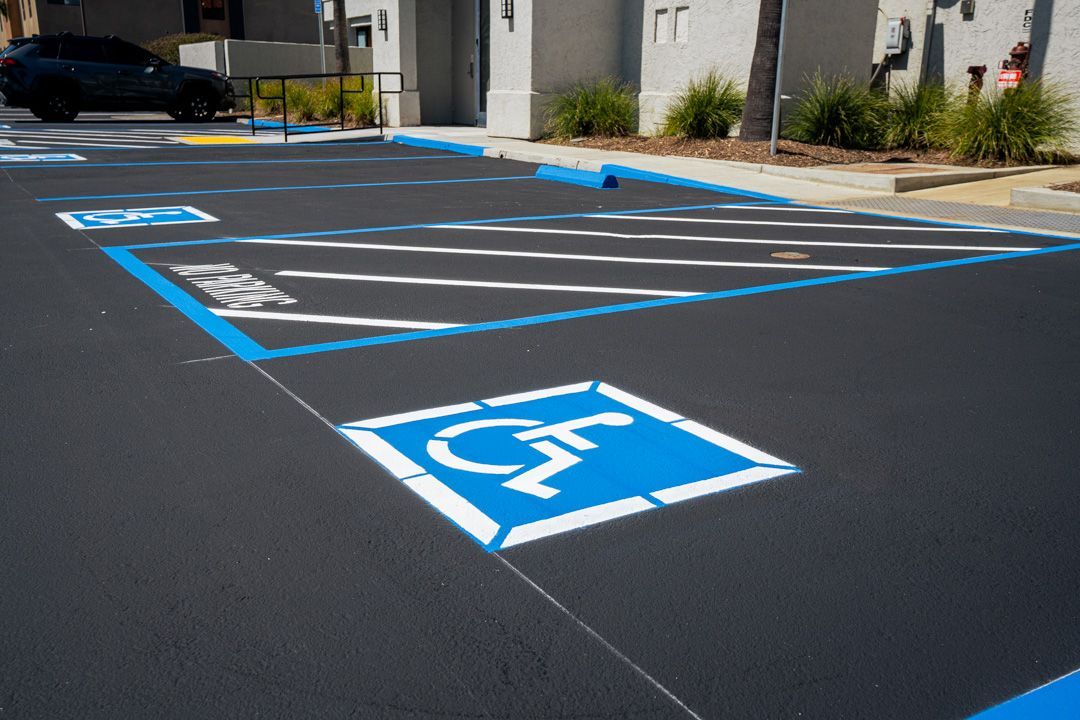
ADA-compliant handrails, along with specifications for ramps, door clearances, signage, restrooms, and accessible routes. Moreover, the California Building Code outlines technical requirements to ensure usability and safety for all individuals visiting commercial facilities.
Plumbing, Electrical, and Mechanical Systems
California code includes specific requirements for every building system, including safety standards for electrical systems and plumbing installation. The codes are based on model codes following the Uniform Plumbing Code (UPC) and National Electrical Code (NEC), but incorporate California-specific amendments. Such details may be independent of ground and surface instruction, but overlap in commercial construction.
Underground systems, placement of electrical conduit, and drainage systems all require coordination with asphalt and concrete construction. Model code requirements ensure these systems integrate safely and effectively with your surface constructions.
Is New Construction Required to Meet Building Code in California?
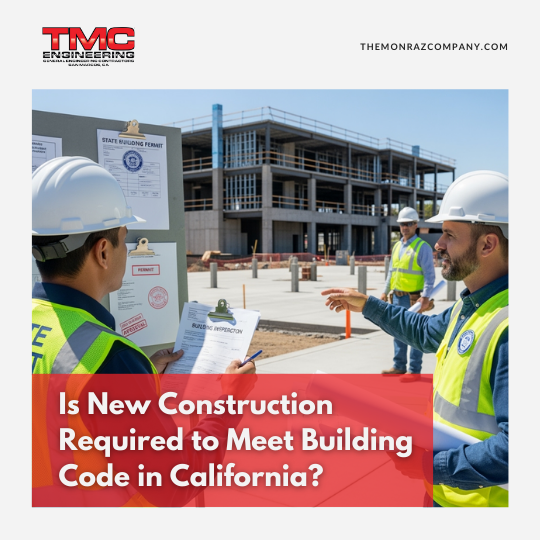
Yes, all new buildings in California must adhere to updated building codes without exception. The state building authority imposes these standards through mandatory permits, inspection requirements, and final approval provisions. With this, any authoritative models can ensure compliance prior to issuing occupancy permits.
New commercial construction projects must demonstrate extensive compliance with the California Building Standards Code. This means projects starting today are held to different standards than older, existing buildings. As codes are updated regularly, California’s construction practices continue to evolve with changes in safety and performance requirements.
For business owners and property managers, the process begins with permit applications that demonstrate your willingness to comply with all existing codes. Additionally, this process encompasses initial construction, ongoing maintenance, and modification requirements.
When you replace existing surfaces, increase parking spaces, or change building access paths, these updates must comply with current standards irrespective of original construction requirements. California enforces this through routine inspections during construction as opposed to final approval procedures. Inspection guarantees that every step of project completion is up to code before subsequent construction can proceed.
Construction codes help to ensure buildings comply with updated regulations and standards.
Having extensive knowledge of California Building Standards Code is necessary for making informed choices. This extends beyond project completion to include materials, methods, and project timelines. Working with experienced contractors familiar with California’s regulatory environment guarantees that commercial property projects are completed successfully and efficiently. Additionally, these contractors can assist you in meeting all applicable standards for safety, durability, and accessibility.
For your foundation work, concrete, asphalt paving, or surface rehabilitation in Southern California,
contact TMC Engineering today! We have the insight and experience needed to successfully navigate California construction code regulations while giving you excellent results that enhance your property for generations to come.